


Heat pumps could be used to prevent potholes
30th August 2023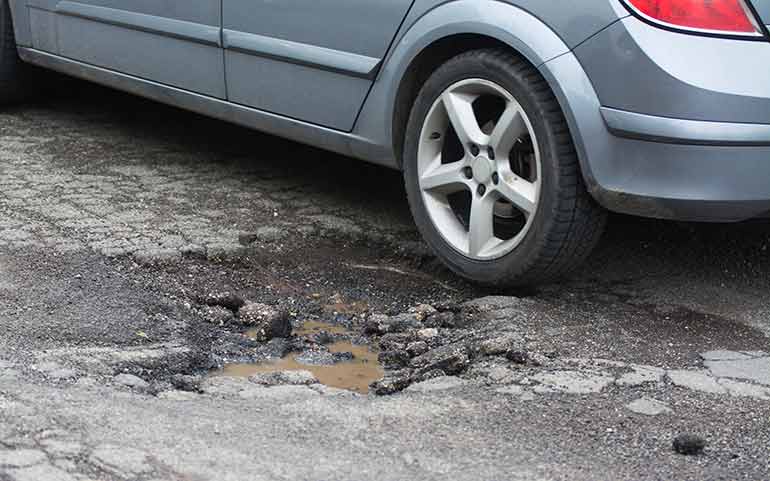
UK: A project to explore the use of heat pumps to prevent potholes in UK roads has received an £800,000 research fellowship from the Royal Academy of Engineering.
Researchers at the University of Surrey insist that their new thermo-active road solution could help prevent potholes caused by freezing and thawing in the winter.
Surrey’s Dr Benyi Cao, the project lead, will work with National Highways to trial the use of geothermal energy to keep road surfaces at a controlled temperature. They will introduce ground source heat pumps to cool roads in summer and warm them in winter.
The outcomes could improve how major roads across the UK are maintained and upgraded, even as climate change increases the challenge of keeping them fit for purpose.
“At the moment, a typical motorway or A-road surface lasts 20 years, but this is likely to reduce as extreme weather increases,” explained Dr Cao, a lecturer in the university’s School of Sustainability, Civil and Environmental Engineering. “However, by regulating the temperature of road surfaces, they should last significantly longer, aside from the safety benefits and reduction to car damage. Think of the reduction in expensive, inconvenient roadworks.”
Current road technology creates an estimated 700,000 tonnes of carbon emissions each year, and the cost of repairing pothole-plagued UK roads is expected to be £12 billion over the next decade.
Thermo-active roads could provide a low-cost, low-carbon alternative to reduce road damage, the researchers insist.
Potholes on England’s major roads have caused 5,000 injuries since 2018. Last year, England spent £1.2 billion on road maintenance and repair, a process with a high carbon footprint.
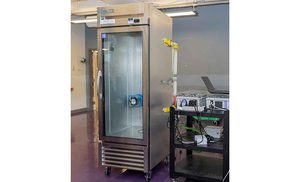
During his five-year research fellowship, Dr Cao will create a laboratory scale model road segment with a heat pump in the University of Surrey’s Advanced Geotechnical Laboratory to evaluate the thermal performance and resilience of roads under controlled climatic and traffic loads.
Full-scale field trials will be carried out on UK roads and a full life-cycle assessment will evaluate the environmental as well as financial costs of thermo-active roads.
He will also work with advanced materials engineering company Versarien, a Cheltenham-based advanced engineering materials group, to develop a new graphene-enhanced microcapsule to dig into the soil beneath the surface when roads are resurfaced to improve heat conduction and storage.