


F1 know-how comes to display cabinet design
24th April 2015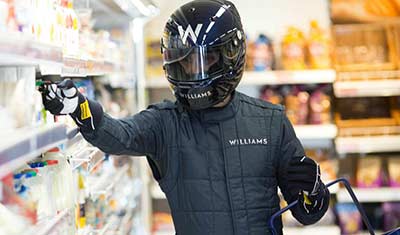 UK: The aerodynamic technology used in the design of Formula 1 racing cars is being harnessed in a device to reduce the energy consumed by supermarket refrigerated display cabinets.
Williams Advanced Engineering, the technology and engineering services business of the Williams Group, has collaborated with UK company Aerofoil Energy to develop a new aerodynamic shelf strip to reduce cold air spillage from multideck cabinets.
While the door/no-door debate continues amongst the major supermarkets, it is widely recognised that refrigerated display cabinets can be large consumers of energy. Cheshire-based Aerofoil Energy maintains that 60-70% of the total energy used by any multideck is lost through the open front. This, the company says, makes multidecks expensive to run and leads to cold aisle syndrome.
Aerofoil Energy and Williams are developing the new retrofittable aerofoil system that attaches onto each refrigerator shelf to keep more of the cool air inside the refrigerator cabinet. Williams’ Advanced Engineering division is using computational fluid dynamics to model and simulate new designs before testing them at the Williams factory in Oxfordshire.

A number of supermarkets are said to be evaluating the aerofoil technology with promising results. Sainsbury’s has been testing the product at a number of its stores as part of its 20×20 sustainability plan to reduce carbon emissions by 30% by 2020.
John Skelton, head of refrigeration at Sainsbury’s PLC, said: “‘We’re proud to be giving our fridges a turbo boost with this fantastic aerodynamic technology. Aerofoils help the airflow around Formula 1 cars and can improve their performance – and that’s exactly how they help the fridges in our stores, by keeping the cold air in. This Formula 1 inspired innovation has already shown it can cut carbon produced by major refrigerators.”
Craig Wilson, managing director of Williams Advanced Engineering, added; “Williams Advanced Engineering’s mantra is to take the best of Formula 1 technology and knowhow and work with a range of industries to help improve their products and services. Much of our work focuses on improving energy efficiency and the collaboration with Aerofoil Energy is a perfect example of how Formula 1 innovations can have a tangible benefit to ordinary people and the environment. This technology has global potential and the savings in operational costs and emissions are extremely promising.”
The clean simple design is easy to clean and simply clips on to existing shelves. Previous CFD modelling has indicated energy savings of 23% and independent testing to EN EN23953:2005 by RD&T, Bristol, showed 17% energy savings.