


$10,000 fine for ammonia leak
10th November 2017USA: The operator of a cold storage facility in Alaska has agreed a $10,008 penalty and $26,000 in improvements after an ammonia release in 2016 seriously injured one of its workers.
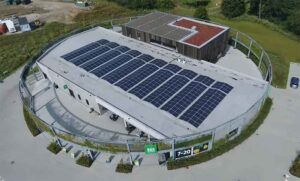
The US Environmental Protection Agency reached the settlement with Kloosterboer Dutch Harbor LLC, a Seattle-based company that operates a seafood cold storage facility in Unalaska, Alaska.
Under the terms of the agreement, Kloosterboer will upgrade the facility’s refrigeration system to help prevent future releases and reduce the amount of ammonia leaked in the event of a release. The upgraded system will use leak detectors to monitor ammonia levels in the freezer and send signals to the computerised control system if ammonia levels reach preset concentrations. If an ammonia leak occurs, the control system will notify operators and managers via audible and visual alarms in the facility, automatically shut off the ammonia pumps, and activate the emergency exhaust system.
The company will also purchase hazmat emergency response equipment for Unalaska’s Department of Public Safety and train two of the company’s personnel to respond to hazmat emergencies at the facility and other facilities in the community.
“Federal emergency planning, reporting and response requirements are important for protecting workers, emergency responders and the community,” said Ed Kowalski, director of EPA’s Region 10 Compliance and Enforcement Division in Seattle. “The company’s failure to provide timely information, crucial in an emergency response, put their workers and the public at risk. Early notification plays a critical role in getting resources and personnel mobilised, which can make all the difference in reducing harm to people and the environment.”
On December 3, 2016, Kloosterboer’s Unalaska facility released 125lb (57kg) of ammonia from a leaking line inside the facility’s freezer. While the company made an immediate emergency call to local emergency responders, the company didn’t report the release to the National Response Center and the Alaska Emergency Response Commission until December 5, more than 46 hours after the release occurred. The company also failed to submit a follow-up notification to the Local Emergency Planning Committee. The release and emergency reporting delays violated the federal Emergency Planning and Community Right-to-Know Act (EPCRA) and the Comprehensive Environmental Response, Compensation and Liability Act (CERCLA).