


Firefighters offered flammable refrigerant training
12th January 2020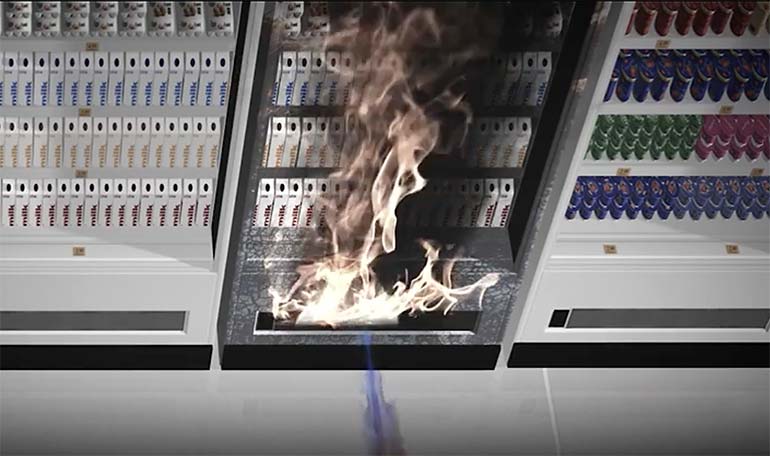
USA: The National Fire Protection Association (NFPA) has introduced a training programme to educate US firefighters about flammability and toxicity risks associated with new refrigerants.
The NFPA recognises that the introduction of new lower GWP refrigerants being introduced as part of the worldwide phase down of HFCs, many of them exhibiting varying degrees of flammability, pose potential risks to firefighters.
To meet this new challenge, the NFPA and its research affiliate, the Fire Protection Research Foundation, have released free online training for the fire service, as well as an instructor-led training module to educate firefighters about the potential hazards associated with new refrigeration and cooling units.
The push for more sustainable solutions is driving the need for firefighters to learn about potential flammability and toxicity risks, asphyxiation challenges, jet stream fires, transportation issues, and other life safety considerations associated with flammable refrigerants.
The approximately one-hour curriculum provides an overview of the GWP transition and highlights specific dangers that firefighters may encounter when responding to incidents where new flammable refrigerants are present. The training is being funded by the US Fire Administration.
The National Fire Protection Association claims to have 50,000 members worldwide and 9,000 volunteers working with the organisation through its 250 technical committees.
The four training modules charts the background to the new generation of refrigerants; identifies where flammable refrigerants are likely to be found; describes the main flammability, toxicity and pressure release hazards; relates the refrigerant charge size to the level of risk; evaluates the hazards present in a particular situation involving flammable refrigerants; suggests response tactics to mitigate consequences from refrigerants in different types of emergencies.
“Firefighters have an inherently dangerous job that requires them to follow SOPs [standard operating procedures] and take steps to learn about the emerging threats that put people, property and themselves at risk,” said Ed Conlin, director of NFPA emergency response and responder safety division. “The presence of flammable refrigerants at a response call in the future is highly likely, and as such, warrants the need for responders in departments of every type, size and setting to learn all that they can about these systems and proper response strategies.”