


US defence agency adopts CO2 refrigeration
30th August 2015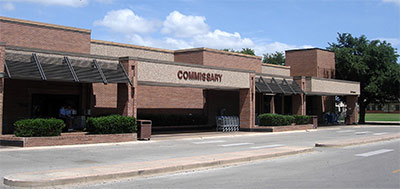 USA: The US Defence Commissary Agency (DeCA) is looking to increase its adoption of CO2 refrigeration systems after the successful installation of a cascade system at a store in San Antonio, Texas.
The use of CO2 refrigeration systems is being widely adopted by European supermarkets and is now gaining in popularity in the US.
DeCA is an agency of the US Department of Defense that operates more than 245 commissaries worldwide, selling groceries and household goods to US servicemen and their families.
The 117,000ft² commissary in San Antonio, Texas, supplying Lackland Air Force Base recently converted its R404A system to an ammonia/CO2 cascade system. The previous refrigeration system, which contained around 3,200kg of R404A was over 13 years old and was ready for retirement.
DeCA replaced the old refrigeration system with help from Hillphoenix and CTA Architect Engineers. The store remodel began in January 2014 and was expected to be completed this month. The installation of the refrigeration system was completed in December 2014. As part of the remodel, all cases, piping, controls, and the hvac system were also replaced. The store remained open to the public throughout.
DeCA chose to adopt the ammonia/CO2 cascade system to meet the energy and sustainability goals set by the US Government for all public buildings. A transcritical CO2 system was considered but, due to the hot climate of southern Texas, the cascade system was deemed the most suitable.
In total, the system has a low temperature cooling capacity of 90kW/h and a medium temperature cooling capacity of 360kW/hr. The system consists of nine ammonia modules, each containing 4kg of refrigerant, as well as roughly 816kg of CO2.
For increased energy efficiency, LED lighting has been used in all refrigerated cases and cold storage rooms. Doors have also been included on all display cases, except produce and fresh meat.
Compared to the former R404A rack system, it is expected that compressor energy consumption of the new system will be reduced by 8%, resulting in a system-wide energy reduction of roughly 3%. Maintenance costs are also expected to be almost 40% lower.
Although initial costs of the NH3/CO2 cascade system were roughly 15% higher than a standard system—an incremental cost of roughly $334,000—operational savings from energy use, refrigerant use, and maintenance costs are expected to greatly offset these costs, likely resulting in only a small overall cost increase over the estimated 20-year lifetime of the system.
DeCA says that the greatest challenge it faced in the installation was public acceptance of using ammonia in a building near sensitive areas, such as day care facilities and schools. To address this concern, the National Renewable Energy Lab and the Environment Protection Agency — with technical assistance from CTA Architects Engineers and Hillphoenix — conducted an ammonia plume study, which analysed the potential effects of ammonia being released from the system into the community. Results of the study showed that the system poses minimal threat to human health, with impacts mainly limited to short-lived unpleasant odours and risks could be mitigated through the use of a leak monitoring system.
DeCA now anticipates adopting NH3/CO2 cascade systems as the standard technology at other commissaries located in warm climates, as well as being considered for installation in other types of facilities such as DeCA’s cold storage and central distribution centre at Sagami General Depot in Japan.
The government agency says it will also be considering deploying transcritical CO2 systems at commissaries in cooler climates, such as at the facility at the US Air Force Base in Spangdahlem, Germany and in the commissary in Newport, Rhode Island.