



New Ice Factory photos uncovered
21st February 2014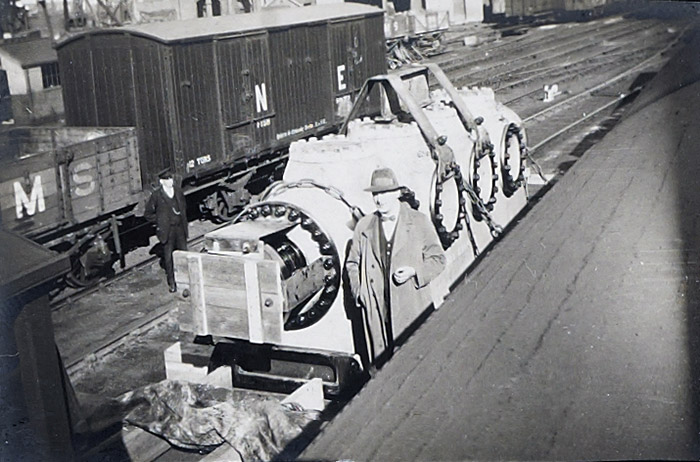
UK: The Cooling Post has uncovered new information and stunning new previously unpublished photos of the Grimsby Ice Factory and its unique and historic refrigeration equipment.
Cooling Post editor Neil Everitt was the first to draw the attention of the refrigeration industry to the fight to save the Grimsby Ice Factory and the historic refrigeration equipment it contained. Five years down the line the Cooling Post is to include much of this new material in a riveting new feature article to be published on this website next week.
“I spent a considerable amount of time in 2009 researching the history of the Grimsby Ice Factory and, in particular, its historic and unique equipment,” commented Neil Everitt. “Since then, of course, a passionate group of local individuals formed themselves into the Great Grimsby Ice Factory Trust (GGIFT) with the sole aim of saving the building and employing it for the benefit of the local community.” Their efforts have been greatly encouraged by the support given by the refrigeration industry and a number of individual companies including the Institute of Refrigeration.
Unique
Opened in 1901 to serve the booming fishing industry, at its peak the Grimsby Ice Factory produced around 1,250 tons of ice per day. Once the largest ice factory in the world, it is also the only remaining building of its type in the UK with the refrigeration equipment still largely intact. It is a unique and irreplaceable testament to a golden age of refrigeration.
The centrepiece of the building is the compressor room where four huge 1930s J&E Hall ammonia compressors have stood like sentinels, silent for nearly 25 years, with the derelict building crumbling around them.
It is the installation and testing of these machines which forms the basis of much of this new material. Also included are previously unpublished photos of the original steam engines, steam boilers and the Linde and Pontifex compressors that the J&E Hall machines replaced.
“It will be too large to reproduce here but for the first time we also now have a copy of the original draugthsman’s schematic drawing of the system layout,” added Neil Everitt. “Hopefully, this drawing will enable some of our most learned refrigeration experts to determine more about how the system actually worked and expand our knowledge of this fantastic tribute to our British refrigeration pioneers.”