


MP calls for phase-out of ammonia
31st October 2017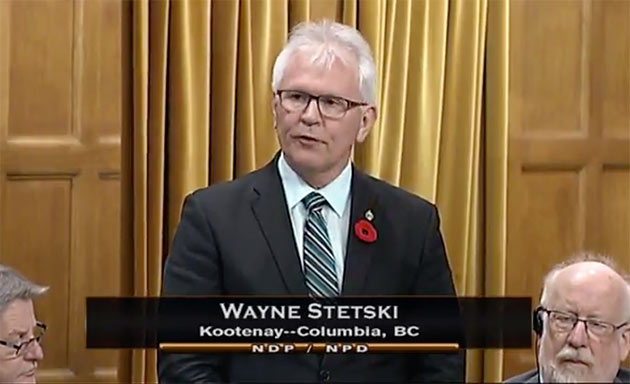
CANADA: A British Columbia MP has called on the Canadian government to phase out ammonia refrigeration in the wake of the fatalities at the Fernie ice rink.
Wayne Stetski, the MP for Kootenay-Columbia, speaking in the Canadian House of Commons yesterday, called for a phase out of ammonia and the introduction of “safer and more efficient” CO2 systems.
The MP’s comments were prompted by concerns following an ammonia leak during routine maintenance of the ammonia refrigeration system at the Memorial Arena ice rink in Fernie, British Columbia on October 17. Three workers died at the scene.
The deaths have provoked wide concern in Canada, with authorities across the country checking their refrigeration systems and reassuring residents of their safety. Despite this, there have been some calls for the removal of ammonia refrigeration systems, much of it backed by inaccurate reporting.
Stetski told the House that there had been over 50 ammonia leaks in Canada since 2007, “many resulting in injuries and deaths”.
Maintaining that CO2 systems offer a safer and more efficient alternative, Stetski said: “I call on the federal government to work with the provinces to help municipalities phase out of ammonia based systems to ensure there are no more tragedies like the one suffered by the people of Fernie.”
A 2016 report by British Columbia Safety Authority (BCSA), one of the few Canadian authorities to keep accurate records on refrigeration leaks, reveals a total of 50 refrigerant release incidents in British Columbia between 2007 and 2015. Of these, 40 involved the release of ammonia. However, based on first-responder reports, there were no deaths and 10 incidents resulted in injuries. Of the 34 reports of ammonia exposure, most were suffered by the facility employees or first responders.
While investigations into the cause of the Fernie leak continue, most of the previous ammonia releases in the BCSA report were found to be associated with failures of control/monitoring systems or individual system components.
The report is available here.
Related stories:
Three workers dead in ammonia leak – 18 October 2017
CANADA: Three workers have been killed by an ammonia leak at an ice rink in British Columbia. Read more…
Fernie ammonia leak victims named – 20 October 2017
CANADA: With the investigation into the Fernie arena ammonia leak still ongoing, the coroners office has released the names of the three who died. Read more…