


Bitzer ammonia pack slashes running costs
9th January 2024
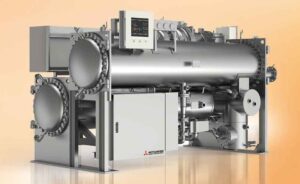
UK: An ammonia refrigeration system based on a Bitzer ACP pack is expected to produce a 60% reduction in running costs for a UK meat processor.
The system installed by Formby-based Demeva Refrigeration at the Pilgrim’s UK facility at Bromborough, Wirral, replaced the previous ammonia system which had been in service for 20 years.
The specified 707kW Bitzer pack are powered by high performance screw compressors, provides primary cooling at an evaporating temperature of -9°C for the site’s secondary glycol circuit, serving cold stores at 2°C and air handling units at 8°C within the processing facility.
In addition to the integrated variable speed drive for optimum part-load efficiency, the Bitzer pack provides a back-up compressor in the unlikely event of a failure, and offers rapid commissioning due to its plug-and-play design.
Timing on the project was critical due to the need to ensure continuity of cooling at the production facility. This was assisted by being able to run the system’s second compressor during the switchover.
A key target for the project was to achieve pay-back on investment within one to one-and-a-half years. This was achieved as a result of the significant energy savings: energy costs for the previous cooling system were £146,000 a year, compared with an estimated £61,000 for the new Bitzer ACP pack.
Other energy saving measures implemented at the site include replacement of the evaporative condenser for the refrigeration pack, installation of modern high efficiency glycol pumps on the secondary circuit, and a new building energy management system to provide site-wide monitoring.

The project is part of a multi-million pound investment programme by Pilgrim’s UK to further enhance the sustainability of its operations, with the aim achieving net zero by 2030. In addition to the refrigeration plant upgrade, this included replacing gas boilers with heat pumps and completing the transition to LED lighting across its sites.
The company already has local solar and wind projects at many locations and is expanding these to the remainder of its manufacturing plants across the country, helping to reduce carbon emissions by an estimated 11,000 tonnes a year.
Kevin Glass, managing director of Bitzer UK, commented: “Ammonia refrigeration systems have traditionally been built as one-offs, often in less than ideal conditions. Bitzer is able to build ACP units in a high quality factory environment, ensuring the highest possible system integrity, absolutely essential when working with ammonia.”