


Firms knowingly breach the F-gas regulations
8th April 2026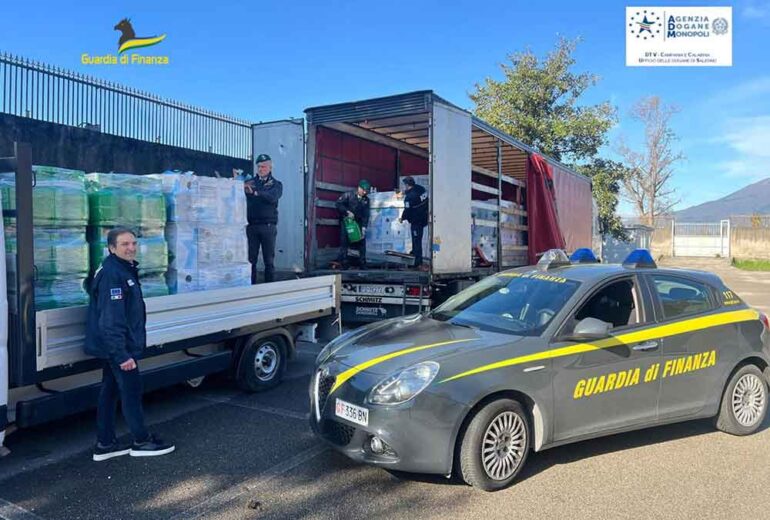
UK: A new report claims European companies are knowingly breaching the F-gas regulations by exceeding quota limits, falsifying invoices, mislabelling virgin refrigerants as reclaimed gases and evading VAT.
The latest report – Fakes, Fraud and F-gases – by the Environmental Investigation Agency (EIA) also reveals a growing trend of fake F-gases flooding markets, with cheap highly polluting F-gases mislabelled and sold as lower climate impact F-gases.
Investigations by the EIA in Italy – the EU’s largest consumer of air conditioning, and where it has been previously claimed that nearly half of the available refrigerant gas is illegal – reveal that organised crime is behind the black market trade, worth hundreds of millions of euros a year.
The report names three Italian refrigerant importers and distributors thought to be supplying major refrigeration equipment manufacturers, well known supermarkets and industrial end-users with illegal gas.
EIA’s undercover investigators identified Halpha Refrigerant, an Albanian importer and distributor, which claimed to supply half of southern Italy’s HFCs, worth €15m over five years. However, the EIA insists that the company holds no F-gas quota and the unusually low prices it offered strongly suggested the gases were illegally sourced.
A representative of another company in northern Italy told EIA’s investigators that the company exceeded its quota and sourced HFCs from outside the EU, often importing via Romania and Bulgaria. The representative named an Italian equipment manufacturer, and major retail chains Lidl Italy and Carrefour within its supply chain.
Carrefour denied that it had any direct relationship with the company, while Lidl Italy did not respond to the EIA’s request for comment.
The EIA claims that a third company, regional distributor Puglia Oxygen, initially offered investigators 200kg of virgin R404A over the phone, noting that a different HFC described as “other material” would be invoiced. The company also claimed to supply major clients, including Italy’s state railway and international truck and bus manufacturer Iveco.
However, in a later face-to-face meeting, a senior official denied the restricted gas was available. Iveco told EIA that it held its suppliers to a code of conduct but did not respond when asked if Puglia Oxygen was one of them.
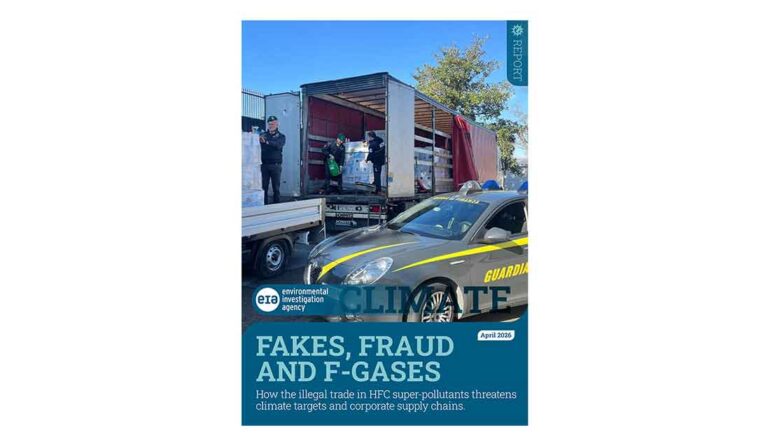
Enforcement against illegal HFC trade in the EU has intensified, with reported seizures nearly tripling between 2023-24 and Italy identified as a major hotspot. Coordinated action by enforcement authorities reflects a growing focus on F-gas crime, although rising volumes suggest illicit trade remains significant. Globally, World Customs Organisation operations continue, but weak reporting under the Montreal Protocol means the true scale is likely underestimated.
Blaming a continued reliance on HFCs despite the ready availability of alternatives, EIA senior climate campaigner Fin Walravens said: “High consumer demand drives up European prices, spurring organised criminals to exploit the price differentials with HFCs bought outside the EU and smuggled either directly to Italy or via countries with weaker border enforcement, such as Bulgaria and Romania.”
Walravens added: “Despite increased enforcement efforts across Europe, EIA’s findings once again highlight the deeply interconnected nature of illegal HFC trade across member state borders.”
The report – Fakes, Fraud and F-gases – can be downloaded from the EIA website.