


Project proves heat pumps can assist the grid
11th April 2026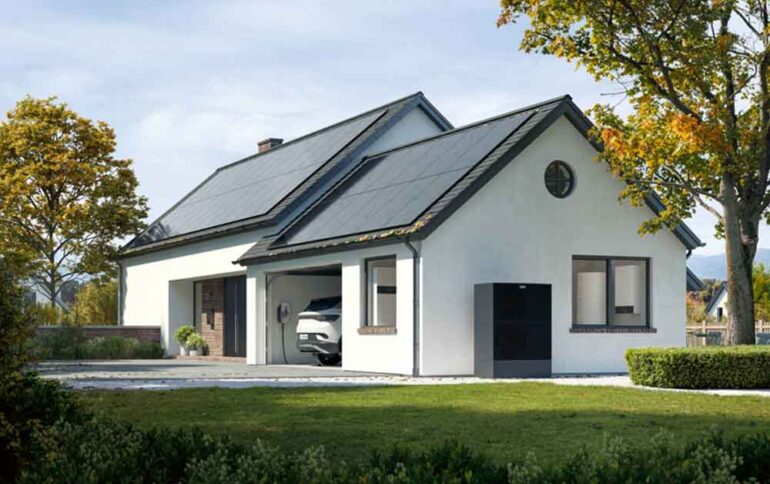
GERMANY: Viessmann, along with transmission system operators TenneT Germany and TransnetBW claim to have demonstrated that heat pumps can help prevent grid congestion.
As a result of the energy transition in the heating sector, the flexibility potential offered by heat pumps is also becoming increasingly important for grid stability in the electricity sector.
In a pilot project called ViFlex, the three companies claim to have demonstrated for the first time under real-world conditions that heat pumps in private households have the potential to be used as flexible consumers in re-dispatching – a congestion management tool used to maintain grid stability.
The project involved more than 100 Viessmann residential heat pumps being integrated into the transmission system operators’ networks during actual heating operations.
The necessary data exchange took place via the Equigy Crowd Balancing Platform, an initiative by European transmission system operators aimed at supporting the harmonised integration of small-scale and decentralised flexibility into system services markets across Europe.
Viessmann Climate Solutions has adapted the control of the heat pumps so that electricity consumption is shifted over time, thereby avoiding, for example, the curtailment of excess wind and solar power.
It is argued that intelligently networked and controlled heat pumps can thus make an effective contribution to better integrating renewable energies into the power grid and reducing the use of fossil fuel power plants.
“With ViFlex, we are demonstrating that heat pumps in residential buildings can be controlled flexibly, fully automatically, and without any loss of comfort for our customers. This makes it even easier for numerous households to contribute to the energy transition while actively stabilising the grids,” commented Janosch Balke, Viessmann Climate Solutions’ energy services product manager.
Over a period of nearly three years, the ViFlex project conducted the inaugural testing of how heat pumps can be technically integrated into transmission system operators’ congestion management systems during actual operation. To this end, the heat pumps of the households participating in the pilot project were aggregated into virtual pools for individual grid areas via the Viessmann Cloud, and a forecast of load profiles and flexibility potential was submitted to the transmission system operators via the Equigy crowd balancing platform.
Activation of pooled flexibility resources by the transmission system operators was also routed through Equigy and transmitted by Viessmann as control commands to the individual heat pumps.
Viessmann was responsible for forecasting, aggregating, and controlling the heat pumps, while the transmission system operators tested the technical processes and potential interfaces with the operational processes of congestion management.
“With the increasing electrification of the heating sector, flexible consumers are becoming more important,” observed Dr Oliver Strangfeld, a member of the executive board of TransnetBW. “ViFlex demonstrates that flexibility from households works technically and can make a real contribution to grid stability in the future.”
To ensure that the potential of grid-optimised control of household heat pumps can be harnessed on a large scale, those behind the project say it is necessary to further develop the existing Redispatch 2.0 regulatory framework. Redispatch 2.0 is a German regulatory framework, effective since October 2021, that mandates grid operators to manage network congestion by adjusting the output of renewable energy, storage, and conventional plants.
The project partners advocate for the development of cost-based Redispatch 2.0 into a hybrid Redispatch 3.0 through a market-based approach for small-scale, decentralised flexibility. They argue that such a framework would allow households to voluntarily and non-discriminatorily participate in congestion management using their heat pumps, home battery storage systems, or electric vehicles, thereby actively supporting grid stability.