


EC orders Germany to stop using R134a
25th September 2014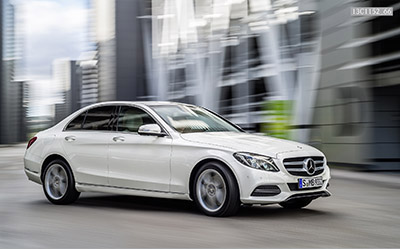 BRUSSELS: The EC has told Germany it must enforce the MAC Directive and stop German manufacturers using R134a in new car air conditioning systems.
The proceedings against Germany have been provoked by Daimler’s concerns over the safety of R1234yf, the car industry’s preferred replacement for R134a. Under the MAC Directive, refrigerants with a GWP above 150 were banned in all new cars from January 1, 2013. Daimler insisted that it would continue using R134a (with its GWP of 1300) until it had perfected systems using its preferred option CO2.
The European Commission maintains that Germany has infringed EU law by allowing Daimler to place cars using R134a on the EU market, between January and June 2013. The EC insists that the German authorities were aware that the vehicles were not in compliance with the Directive and decided not to impose any remedial measures on this manufacturer.
“Furthermore,” says the EC statement, “in May 2013, the German approval authorities accepted the request from the manufacturer to discontinue the use of current type approvals for those vehicles and to extend instead old vehicle approvals for these same vehicles. The Commission considers that in granting these extensions the German authorities have circumvented the application of the MAC Directive, depriving it of its intended effects.”
Germany now has two months to take the necessary measures to comply with the Commission’s request. If they fail to do so, the Commission may decide to refer the matter to the European Court of Justice.
R1234yf refrigerant manufacturer Honeywell welcomed the EU’s tough stance, insisting that the car manufacturers had had 11 years to prepare for the full implementation of the MAC Directive.
“Many automakers have selected HFO-1234yf as their new refrigerant because it is safe, cost-effective and its global warming potential of less than 1, which is lower than carbon dioxide. This means it will reduce the greenhouse impact by 99.9%,” the company said in a statement.
“More than 1.5 million cars are on the road today safely using HFO-1234yf, and by the end of 2014, the number of vehicles will exceed 2 million,” it added.
Further reading
EC issues proceedings against Germany – January 23, 2014
BELGIUM: As expected, the European Commission has issued an infringement notice against Germany for failing to enforce the MAC directive. Read more…
German greens call for ban on R1234yf – January 31, 2014
GERMANY: The influential German green group Deutsche Umwelthilfe (DUH) has accused the EU of ignoring the safety risks of R1234yf and has called for a Europe-wide ban on its use. Read more…
EC backs safety of R1234yf – March 7, 2014
BRUSSELS: The European Commission has concluded that the refrigerant R1234yf poses no serious risk in MAC systems. Read more…