


Mitsubishi moves in Norway and Thailand
30th June 2015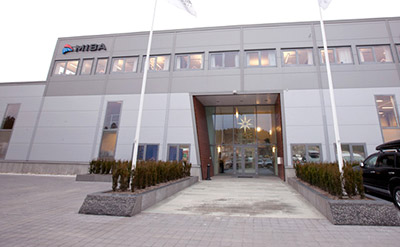
JAPAN: Mitsubishi Electric Europe BV is to purchase all the shares of its Norwegian air conditioning equipment distributor MIBA AS.
From its base in Ytre Enebakk, 30km south east of Oslo, MIBA has been selling Mitsubishi Electric air conditioning equipment in Norway for almost 25 years.
By acquiring MIBA, Mitsubishi Electric aims to expand its air conditioning business in Norway, with a targeted turnover of around €36m by 2018.
Masahiko Konishi, European product marketing director for air conditioning systems at Mitsubishi Electric commented: “Bringing MIBA into the Mitsubishi Electric fold is a great step forward for us as we look to further expand our air conditioning business in Norway. They have extensive local knowledge and expertise which will allow our business to grow and flourish, and we welcome them on board.”
Thailand expansion
Mitsubishi Electric Corporation has also confirmed the expansion of its operations in Thailand, a move first revealed by the Nikkei on June 7.
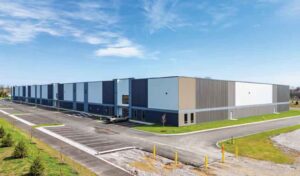
The Japanese manufacturer has said that its Thai subsidiary Mitsubishi Electric Consumer Products (Thailand) will expand its manufacturing and logistics capabilities with a new facility in Chonburi Province.
The new JPY10bn (€70m) base, which sits on 52,800m² of land, will start operating as a distribution warehouse from July. The Integrated Logistics Centre will optimise logistics and reduce costs by consolidating four existing warehouses for final products and several other distribution functions for air conditioning systems parts.
The two-story reinforced concrete building will begin manufacturing air conditioning systems from 2016, raising Mitsubishi Electric Consumer Products (Thailand)’s annual production capacity from five million units at present to seven million units by the fiscal year ending in March 2019.
“Not only will the new base optimise our logistics system, it will also strengthen our manufacturing capabilities,” said So Suzuki, president of Mitsubishi Electric Consumer Products (Thailand). “The global market for air-conditioning systems is growing rapidly, particularly in emerging markets, so this new production site is part of our strategy to meet demand in 142 countries.”
Related stories:
Mitsubishi Electric expansion in Thailand – June 7, 2015
THAILAND: Mitsubishi Electric is to build a new JPY10bn (€70m) distribution centre to increase output from its residential air conditioning plant in Thailand. Read more…